

Hobbies can play a key role in supporting your mental health and recovery from substance use. When you’re healing, it helps to have something positive to focus on: something that brings you joy, reduces stress, and healthily fills your time.
Here’s how hobbies can support your recovery journey and discover simple, low-cost ways to get started.
How Hobbies Can Support Mental Health and Substance Use Recovery
Doing a hobby you enjoy isn’t just a fun way to pass the time. It can also help you feel better, especially if you’re recovering from addiction or dealing with mental health challenges.
A large study published in Nature Medicine looked at over 93,000 people from 16 different countries. The researchers found:
- People with hobbies felt healthier, happier, and more satisfied with life than those who didn’t.
- Over 60% of participants had long-term physical or mental health conditions, but still saw positive effects.
- Hobbies helped reduce symptoms of depression and gave people a better outlook on life.
Even though the study focused on adults aged 65 and older, the results apply to people of all ages.
So, how do hobbies improve mental health?
Hobbies provide:
- A positive focus that can keep your mind away from stress or cravings
- A way to express yourself and release emotions
- A chance to relax and recharge
- Mental stimulation to keep your brain active
- A sense of purpose and routine, which is helpful during recovery
The Link Between Hobbies, Loneliness, and Health
While the aforementioned study doesn’t prove hobbies cause good health, it shows a strong connection coupled with health benefits.
Many people feel lonely at different times, and while short-term loneliness is normal, long-term loneliness can hurt your health. It’s been linked to:
- Obesity
- High blood pressure
- High cholesterol
- Poor mental health
One study found that a lack of social activity over time can be as harmful as smoking 15 cigarettes a day.1
How Hobbies Can Help Socially
- Hobbies offer healthy social interaction, especially through group activities.
- They help you feel connected, supported, and less alone.
- Engaging in meaningful activities may lower your risk of early death by up to 50%.
If you’re in recovery or trying to care for your mental health, picking up a hobby could be a simple and powerful step forward.
Choosing the Right Hobby for Your Recovery Journey
Finding the right hobby is an important part of healing and staying on track during recovery. A good hobby can help you manage stress, avoid cravings, and bring joy into your daily life. But not all hobbies are the same. Some are safe and helpful, while others may come with risks, especially if you’re recovering from substance use.
Low-cost and No-cost Hobbies
You don’t need to spend a lot of money to enjoy a hobby. Many of the best activities for your mental health and recovery are free or cost very little. Here are some examples:
1. Walking or Hiking
Being outside in nature can calm your mind and improve your mood. It also gives you a chance to unplug, breathe fresh air, and enjoy the present moment.
2. Journaling
Writing down your thoughts helps you process emotions and track your progress. It can also help you notice patterns in your feelings and celebrate small wins in your recovery.
3. Drawing, Painting, or Coloring
These creative hobbies reduce stress and give you a healthy way to express yourself. You don’t need to be an artist; just letting your hands move can be soothing and freeing.
4. Reading or Listening to Audiobooks
These can help you relax, escape stressful thoughts, and learn new things. They can also inspire new ideas, shift your mindset, or simply give you a comforting story to enjoy.
5. Volunteering
Helping others can give you a sense of purpose and connection. It reminds you that your time and energy matter, and you’re part of something bigger than yourself.
6. Gardening
Even small spaces or pots can bring joy and teach patience. Watching something grow under your care can be a powerful reminder of your own growth.
7. Meditation or Deep Breathing Exercises
These support emotional healing and reduce anxiety. Just a few minutes a day can help clear your mind and bring calm during stressful moments.
8. DIY Crafts or Upcycling
Turning old things into something new can be rewarding and fun. It also encourages creativity, focus, and a sense of accomplishment when you finish a project.
The key is to choose something that brings you peace, helps you stay focused, and feels good for your body and mind.
Hobbies That May Be Risky in Recovery
Interestingly, some hobbies may trigger cravings, unhealthy habits, or emotional stress. It’s important to know which activities may increase your risk of relapse, especially in the early stages of recovery.
Here are examples of hobbies that could be risky and what the research says:
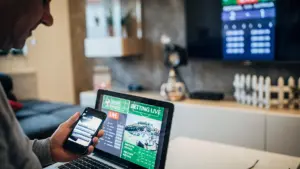
1. Gambling
Casinos, online betting, or lottery games may seem like fun, but they can be highly addictive. Gambling stimulates the brain’s reward system much like drugs or alcohol.
A review found that gambling and substance use disorders often happen together, and engaging in gambling can increase the risk of relapse in people recovering from drug or alcohol addiction.2
2. High-Intensity Video Gaming
A study noted that people in recovery may replace substance use with “behavioral addictions” like excessive gaming.3
While gaming can be a fun way to relax, playing for long hours can sometimes lead to social isolation, sleep problems, or addictive patterns, especially in people already struggling with addiction.
3. Hobbies That Involve Alcohol
Exposure to environments that normalize alcohol use can trigger cravings and relapse.4
Some hobbies, like homebrewing, wine tasting, or even attending events where alcohol is common (like bar trivia nights), can pose a serious risk in recovery.
4. Excessive Exercise (If Not Balanced)
For some, highly competitive sports or extreme fitness training can bring up feelings of stress, anger, or failure, especially if they’re tied to past substance use.
While physical activity is generally helpful, excessive exercise can sometimes turn into a behavioral addiction, especially when used to avoid emotional pain.5
Choosing the right hobby during your recovery journey is all about finding balance. The best hobbies are ones that help you relax or feel joy, give you a sense of structure, and allow you to enjoy your time without pressure. A good hobby should support your healing, not challenge it.
How to Start a New Hobby Even If You’re Unsure
Starting a new hobby can feel daunting, especially if you’re not sure where to begin or think you don’t have enough time. You don’t need hours every day to enjoy something meaningful. All you need is a little space in your schedule and a willingness to try.
Why People Avoid Hobbies
Many people say they’re too busy for hobbies because:
- Work and other responsibilities take priority
- They feel guilty spending time on something “just for fun”
- They believe hobbies require lots of time or skill
But hobbies aren’t a waste of time. They help your mind rest, recharge, and recover, especially when you’re healing from stress, anxiety, or addiction.
Simple Ways to Make Time for Hobbies
You don’t need to commit daily. Instead:
- Look at your weekly or monthly schedule for small gaps of free time
- Start with just one hour a week doing something you enjoy
- Keep it flexible; do what feels good, not what feels like another task
Use Short Breaks During the Day
Even small breaks can make room for hobbies. Try activities like:
- Reading a few pages of a book
- Watering plants or tending to your garden
- Doodling, sketching, or writing
- Listening to your favorite music or a podcast
Studies show that taking small breaks like these can improve your mood and help you focus better at work.
Check How You’re Spending Your Time
Often, time slips away without us noticing. Ask yourself:
- Am I spending a lot of time on social media or TV?
- Could I trade a little of that time for something more fulfilling?
You don’t have to stop these things completely. Just balance them with a hobby that brings joy or peace.
Remember:
- You’re allowed to try new things just for fun
- You don’t need to be perfect, just curious
- It’s okay to explore different hobbies until one feels right
Starting small is still a start. Let your hobby be a break from stress, not a new source of it.
Ready to Take the Next Step in Your Healing Journey?
At OceanRock Health and South Coast Counseling, we understand that true recovery goes beyond treating symptoms; it’s about healing the whole person.
From evidence-based therapy to wellness-focused approaches like mindfulness, creative expression, and group support, we’ll help you build a life that feels balanced, healthy, and meaningful.
Sources:
- Novotney, A. (2019). The Risks of Social Isolation. American Psychological Association. https://www.apa.org/monitor/2019/05/ce-corner-isolation
- Rash, C., Weinstock, J., & Van Patten, R. (2016). A review of gambling disorder and substance use disorders. Substance Abuse and Rehabilitation, 7, 3–13. https://doi.org/10.2147/sar.s83460
- King, D. L., & Delfabbro, P. H. (2020). Video game addiction. Adolescent Addiction, 185–213. https://doi.org/10.1016/b978-0-12-818626-8.00007-4
- Janak, P. H. (2013). The Potent Effect of Environmental Context on Relapse to Alcohol- Seeking After Extinction. The Open Addiction Journal, 3(1), 76–87. https://doi.org/10.2174/1874941001003010076
- Chen, W.-J. (2016). Frequent exercise: A healthy habit or a behavioral addiction? Chronic Diseases and Translational Medicine, 2(4), 235–240. https://doi.org/10.1016/j.cdtm.2016.11.014